Copyright © 2025
George R. Morgan
Collars, Harnesses and Leashes for
Westies: A Comprehensive Guide
Westies are lively, curious little dogs that often enjoy daily walks and
outdoor adventures. A collar is useful for identification tags, but
attaching the leash to it may not be the best choice for every
dog—especially one that pulls, coughs, has a sensitive neck, or has
been diagnosed with a neck or airway problem. A properly fitted
harness spreads leash pressure across the chest and body instead of
concentrating it at the neck, but the best setup depends on your
Westie’s health, build, behavior, and fit. If your dog has breathing,
neck, back, skin, or mobility concerns, ask your veterinarian which
option is safest.
Choosing the Right Gear for Your West Highland White Terrier
Selecting the proper harness and leash is essential not only for your Westie’s comfort and safety but also for your peace of mind during
outings. There are three basic types of harnesses you should consider:
Step-in Harness
Easy to put on and take off, step-in harnesses are ideal for fidgety Westies. They provide security and minimize pressure on the neck.
Vest Harness
Made from soft, padded materials, vest harnesses are comfortable and offer a snug fit for Westies with sensitive skin or longer walks.
No-Pull Harness
Designed to discourage pulling, these harnesses feature front-clip attachments that redirect your dog’s movement, making them perfect
for training and active Westies.
Fitting and Safety Tips
Measure your Westie’s chest and neck before purchasing a harness to ensure a proper fit.
Check for adjustable straps, which allow for customization as your Westie grows or if they wear coats in colder weather.
Regularly inspect harnesses and leashes for signs of wear and tear. Replace them if you notice fraying or damaged hardware.
Introduce the harness gradually, allowing your Westie to get used to wearing it indoors before venturing outside.
Leashes are equally important and come in various lengths, materials, and styles. For Westies, a standard 4-6 foot leash made of nylon
or leather is generally recommended for everyday walks. Retractable leashes offer more freedom but can make it harder to control your
Westie in busy areas. Consider a sturdy, comfortable handle for better grip and control, especially if your Westie is enthusiastic and
energetic.
Training Tips for Harness and Leash Use
Positive reinforcement is key when training your Westie to walk nicely on a harness and leash. Reward calm behavior with treats or
praise and avoid yanking on the leash. If your Westie tends to pull, a no-pull harness can help correct the behavior safely and effectively.
Choosing the right harness and leash for your Westie can make walks safer, more comfortable, and enjoyable for both of you. By
considering your Westie’s size, temperament, and activity level, you can select gear that supports their health and happiness. Start with
a well-fitting harness and a sturdy leash, and you’ll be ready for many fun adventures together.
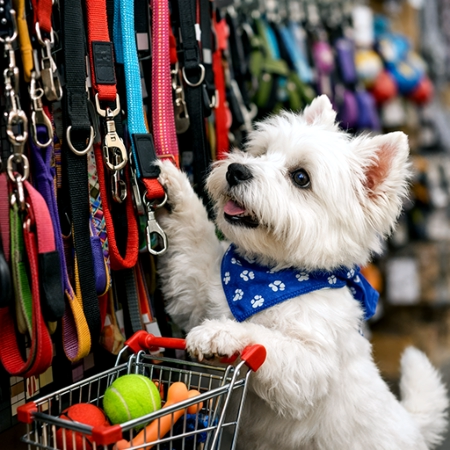
From our own experience, we have chosen to use harnesses with our Westies even though they also wear collars.
Westies can pull suddenly and hard when something catches their attention, such as another small animal, and a
harness helps keep that pressure away from the neck if they lunge before you can react. For us, collars are mainly for
identification, while harnesses are what we rely on for walks.